Home / On Campus Programs / Respiratory Therapy
Respiratory Therapy Associate Degree Program
Real-world training. Clinical experience. A future in respiratory care.
CoARC Accredited
ABHES Accredited
On Campus | Hybrid*
At a Glance
~24 Months
Course length
85-88
Total credits**
260
Lab hours**
1,000-1,045
Class hours**
696
Externship hours**
**Credit totals and hours vary by location
About the Respiratory Therapy Associate Degree Program
Pima Medical Institute’s Respiratory Therapy associate degree program gives you the clinical and professional skills needed to begin your career as an entry-level registered respiratory therapist. The program prepares graduates with demonstrated competence across the cognitive, psychomotor and behavioral learning domains of respiratory care practice.
Through a curriculum that balances classroom instruction with hands-on clinical training, you will learn advanced respiratory care techniques, pharmacology, cardiopulmonary disease, patient assessment, therapeutic interventions and emergency care, including neonatal, pediatric and adult special care. You will also develop the professional traits needed to thrive in this role and care for patients across a wide range of clinical environments. Graduates are eligible to apply to sit for the National Board for Respiratory Care Therapist Multiple-Choice Examination (TMC). Following successful performance on the TMC, graduates are then eligible to sit for the Clinical Simulation Examination (CSE) for credentialing as a Registered Respiratory Therapist (RRT).
Where the Respiratory Therapy Associate Degree Program Can Take You
Certification
Graduates are eligible to apply to sit for the Therapist Multiple-Choice (TMC) Examination through the National Board for Respiratory Care (NBRC) to earn the Certified Respiratory Therapist (CRT) credential. Students take RES 275, built to prepare for the certification exam.*
Entry-level roles
Respiratory therapist, educator, sleep disorder specialist, or pulmonary function technologist.
Career advancement
Graduates who score high enough on the TMC exam are also eligible to complete the NBRC's Clinical Simulation Examination (CSE) to earn the Registered Respiratory Therapist (RRT) credential, which is a more advanced credential often required for higher-acuity roles. Experienced RTs can also move into supervisory, specialty (such as neonatal/pediatric or sleep medicine) or educator positions.
Core Skills You’ll Develop
VENTILATION
PHARMACOLOGY
DIAGNOSTICS
EMERGENCY CARE
PEDIATRICS
PATIENT ASSESSMENT
Program Objective
Hybrid Learning Options
For students who need more flexibility in their schedules, hybrid learning options are available at select campuses. Hybrid learning combines in-person instruction with online learning. Students can engage with course materials at times and in environments that suit their individual circumstances, such as balancing employment, family responsibilities or geographic constraints. However, externship hours must be completed entirely in person because hands-on clinical experience is essential for developing the practical skills and confidence needed for real-world patient care.
*Not all programs offer hybrid learning options; Hybrid education options not available at all campuses

Find a Campus Near You
Clinical Externships
At Pima Medical Institute, most programs allow students to work in their field through clinical externships—a chance to be mentored by full-time professionals and interface with real patients.
In addition to real-world experience, clinical externships offer students resume-worthy opportunities, letters of recommendation from supervisors and sometimes job placement directly after graduation.
Learn More About Externships→Continuing Education
Graduating with an associate degree is a vital pathway toward pursuing higher education later on. At Pima Medical Institute, we offer an online Bachelor of Science in Respiratory Therapy. This degree gives working respiratory therapy professionals the skills needed to move up within their field, with the flexibility of virtual instruction.
If you are interested in health care leadership or administration, Pima Medical Institute also offers an online Bachelor of Science in Health Care Administration. Both programs offer the flexibility of online instruction so you can work toward your degree on your own schedule.
Job Outlook
9% Growth — The Bureau of Labor Statistics projects this occupation to grow faster than average over the next 10 years with a median pay of $82,280 per year.*
at https://www.bls.gov/ooh/healthcare/respiratory-therapists.htm (visited August 27, 2026).
What careers can you pursue with a Respiratory Therapy associate degree?
The Respiratory Therapy associate degree program prepares students to apply for roles and other related career opportunities, including:
- Respiratory therapist
- Sleep disorder specialist
- Pulmonary function technologist
- Respiratory therapy educator
These careers exist in a variety of environments, including but not limited to hospitals; specialty clinics, including those focused on asthma and cystic fibrosis; long-term care facilities; pulmonologists’ offices; sleep labs; and air and ground ambulance transport companies.
Career Services
When you’re a Pima Medical Institute student, you get access to our Career Services team—here for you when you need extra help with finding the right job opportunities, building a resume, strengthening your interview skills or just looking for general guidance.
View Career Services→Student Services
Our team of student service professionals are on hand to see students through the challenges they might face during their academic career. We offer guidance and resources to ultimately help build employable medical professionals.
View Student Services→Application Process
- Submit the form below
A few quick details so we can get to know you before we connect.
- Chat with our team
They’ll ask about your goals, your background, and what’s drawing you to healthcare. From there, they’ll help you find the right program and campus for where you are in life right now.
- Attend your campus tour
Experience Pima Medical in person and picture yourself in a career that matters. We’ll walk you through programs and what to expect.
- We help you complete your application
Our team guides you through every step, including enrollment and financial services, so nothing stands between you and getting started.
Respiratory Therapy Associate Degree Program Eligibility Requirements
- Possess a high school diploma or recognized equivalency
- Additional requirements may apply by campus

Tuition & financial aid
Federal aid (FAFSA), institutional scholarships and payment plans are available for those who qualify to help make your education affordable.
FAQs About our Respiratory Therapy associate degree program
What is a Respiratory Therapist?
What does a Respiratory Therapist do?
What is the difference between a Respiratory Therapist and a Registered Respiratory Therapist (RRT)?
What will I learn in the Respiratory Therapy program?
How long does the Respiratory Therapy program take to complete?
How do I become a Registered Respiratory Therapist (RRT) after graduation?
Is the Respiratory Therapy program available online or in a hybrid format?
For students who need more flexibility in their schedules, hybrid learning options are available for the Respiratory Therapy program at select campuses. This format combines in-person instruction with online coursework, allowing you to complete academic coursework at times and in environments that fit your schedule. Clinical externship hours, however, must be completed entirely in person, since hands-on clinical experience is essential to developing the practical skills and confidence needed for real-world patient care.
*Hybrid learning is not offered at every campus; contact your local Pima Medical campus to confirm availability for the Respiratory Therapy program.
What are the admissions requirements for the Respiratory Therapy program?
Is financial aid available for the Respiratory Therapy program?
Program Outline
Learn more about the courses in this program.
Semester I
Semester II
Semester III
Semester IV
Semester V
Semester VI
*The total number of program hours is 1,956 at all campuses except Las Vegas, which has 2,001 hours. The Las Vegas program includes one additional 3 credit class (HST 205 Nevada History and US Constitution). Graduates of the program receive an Occupational Associate degree. Graduates are eligible to apply to take the National Board for Respiratory Care Therapist Multiple- Choice Examination (TMC). Following successful performance on the TMC, the graduate is then eligible to take the Clinical Simulation Examination (CSE) for credentialing as a Registered Respiratory Therapist (RRT).
Nobody Says It Better Than Our Students
Read our reviews from students and alumni to find out for yourself…
Pima Medical Blog
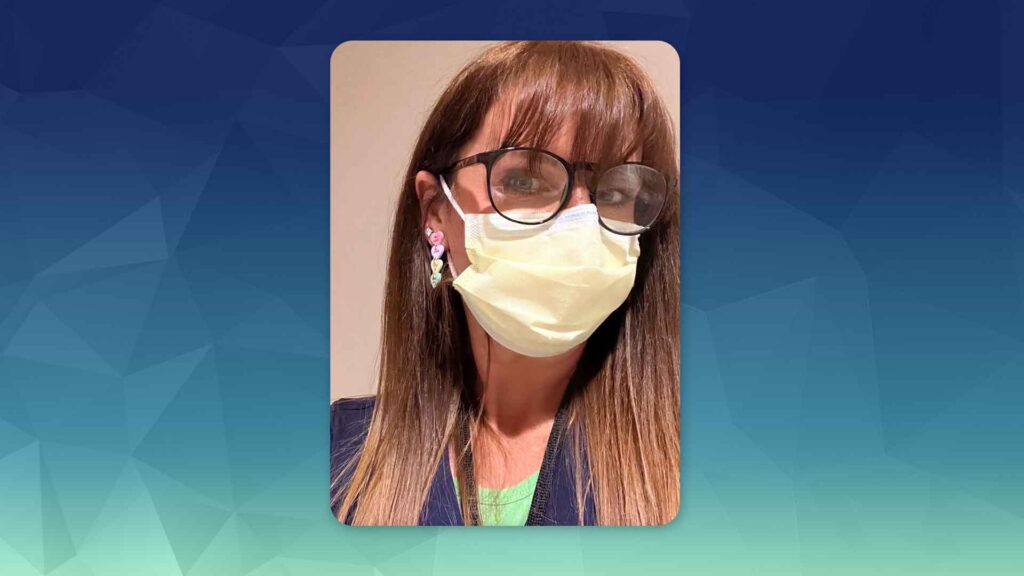
Angela Lee, Travel Respiratory Therapist, Stanford Children’s Hospital
Angela Lee is a two-time graduate of Pima Medical Institute. After earning her associate degree in respiratory therapy from our Mesa campus, she went on…
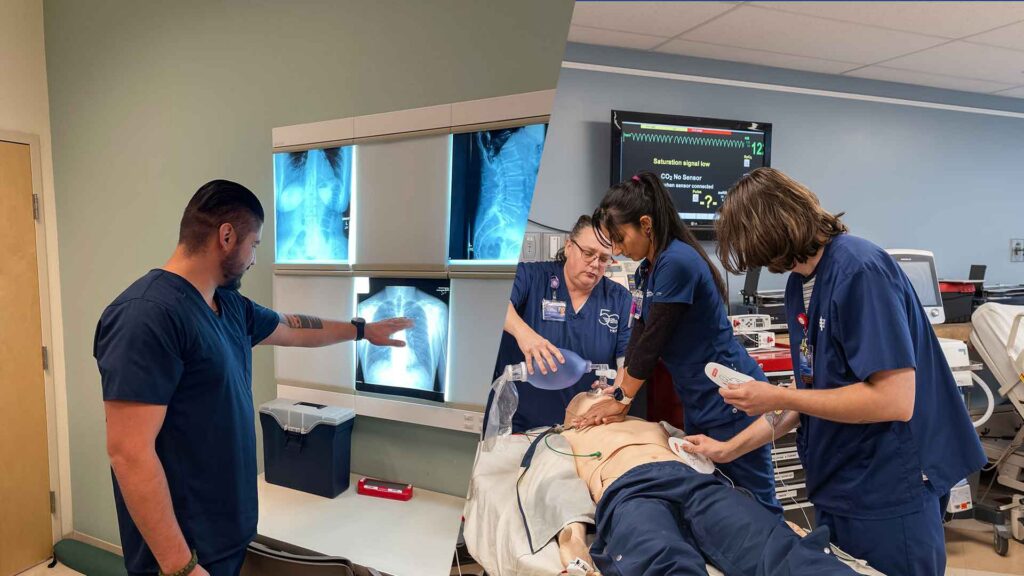
Radiologic Technologist vs. Respiratory Therapist: Pay, Hours and Job Outlook Compared
You have already done the hard part. You know you want a career in health care, and you have narrowed it down to two strong…
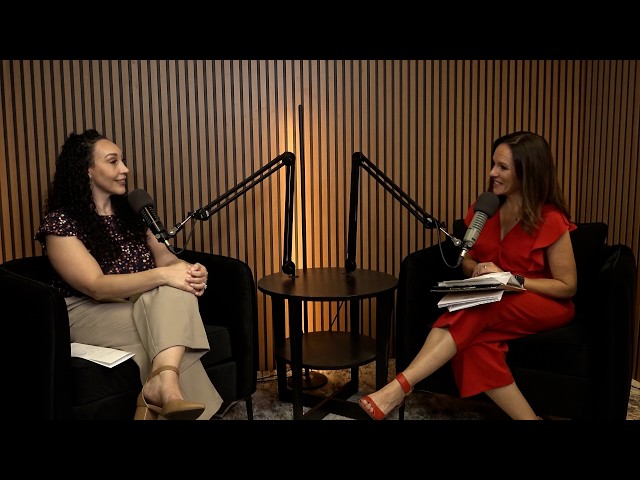
What Does a Respiratory Therapist Do?
Hear From April Ramirez, Director of Clinical Education, Pima Medical Institute On this episode of Voices of Vital Care, host Nohelani Graf sits down with…
Accreditations and Disclosures
Accreditation and Program Information
CoARC accredits respiratory therapy education programs in the United States. To achieve this end, it utilizes an ‘outcomes based’ process. Programmatic outcomes are performance indicators that reflect the extent to which the educational goals of the program are achieved and by which program effectiveness is documented.
Outcomes data from the latest Annual Report of Current Status has been posted on the CoARC website. Follow this link directly to the Programmatic Outcomes Data page: https://coarc.com/students/programmatic-outcomes-data/
Commission on Accreditation for Respiratory Care (CoARC)
Website: http://www.coarc.com
264 Precision Blvd
Telford, TN 37690
(817)283-2835
View accreditation information for all programs by campus
View program costs, additional disclosures and outcomes for this program (if applicable)
State Licensure Determination Disclosure
The Respiratory Therapy program is offered via on-ground and hybrid delivery methods. The program is available to residents of Arizona, California, Colorado, Nevada, New Mexico, Texas, and Washington, and meets applicable licensure requirements in those states. While there may be online components, completion of this program requires on-ground attendance at the campus at which the student is enrolled and cannot be completed solely via distance education. Prospective students and enrolled students should understand that moving out of the state in which they enrolled may adversely impact a student’s ability to complete the program. If a student is planning to relocate outside of their state of enrollment he or she is required to discuss this with the Student Services Coordinator and/or Program Director.
In compliance with 34 CFR 668.43 Pima Medical Institute has made a reasonable effort to determine graduate eligibility for licensure in all states for programs designed and advertised as leading to licensure. The document below lists Pima Medical Institute programs and states where the curriculum meets licensure requirements, states where the curriculum does not meet licensure requirements, and states in which Pima Medical Institute has been unable to determine if the curriculum meets state licensure requirements. All consumers should be advised that due to the frequent changes to state statutes, rules, and regulations Pima Medical Institute cannot guarantee licensure based on the lists below.